Starting Ways
The base reel shape starts compact, then feature symbols can push the layout wider.
 slot99999
PLAY NOW
slot99999
PLAY NOW
Rules guide
A practical walkthrough of reels, ways, symbols, settings and bonus triggers without leaning on text-heavy images. Learn the flow first, then test in demo mode.
Learning How to Play slot99999 is easiest when you treat the page as a pre-game checklist. First confirm the round goal, then identify the controls, symbols, or buttons that affect risk, and only after that think about stake size. That sequence keeps the rules practical and makes the interface feel less crowded during the first few sessions.
Use the demo to repeat the same setup several times instead of changing everything after each result. Watch where you hesitate, which features create the most pressure, and how quickly the pace can pull you into extra rounds. These small observations are more useful than a lucky spin or one short streak.
When you move to real money, keep your bet size steady, set a time or loss limit, and check bonus terms before depositing. With that routine, How to Play slot99999 becomes easier to understand, easier to pause, and more enjoyable as a controlled form of entertainment.
Bottom line upfront
To play through slot99999 safely, learn the 108-way base, Fire Frames, Enhancer Cells, xWays, scatters and Dead Patient multipliers in demo mode before any real-money spin.
The base reel shape starts compact, then feature symbols can push the layout wider.
Reels, bet, spin, settings and balance are the only interface areas a player must master first.
The result panel is safer than guessing through fast horror animations.
Interface breakdown
The Mental II interface looks busy because the game wants you to feel trapped inside the machinery. For actual play, reduce it to five zones. The reel window is the central grid where ways are counted from the left. The bet panel sets stake size. The spin control starts or stops animations. The settings cluster handles sound, turbo behavior and history. The balance strip shows available money and should be checked before every session.
Do not treat the large visual effects as instructions. Fire, doors, patient portraits and shaking frames are atmosphere unless the paytable or round result says otherwise. The safest approach is to read the win counter, then open the bet history if anything looks unclear. Mental II can show several transformations in rapid succession, so a calm review after the spin is better than reacting during the animation.
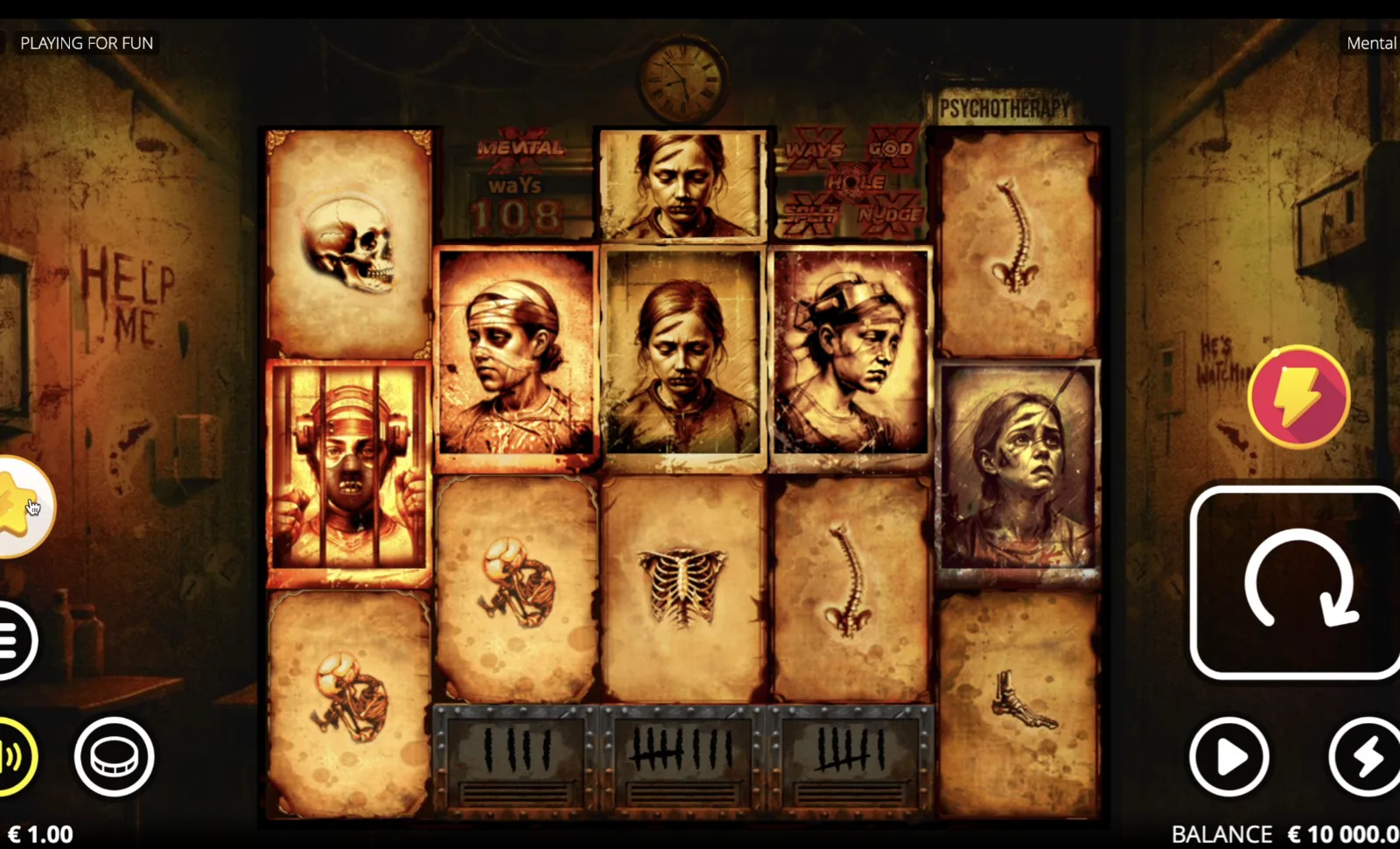 1 Reels2 Bet3 Spin4 Settings5 Balance
Step by step
Start at a small amount and confirm the currency. Mental II's official range is €0.20 to €100, but the operator may restrict local limits. A cautious session uses a stake that can survive many empty spins.
Wins need matching symbols on adjacent reels from the left. Watch for Fire Frames, scatter symbols and enhancer behavior, but do not assume every dramatic screen creates a payout.
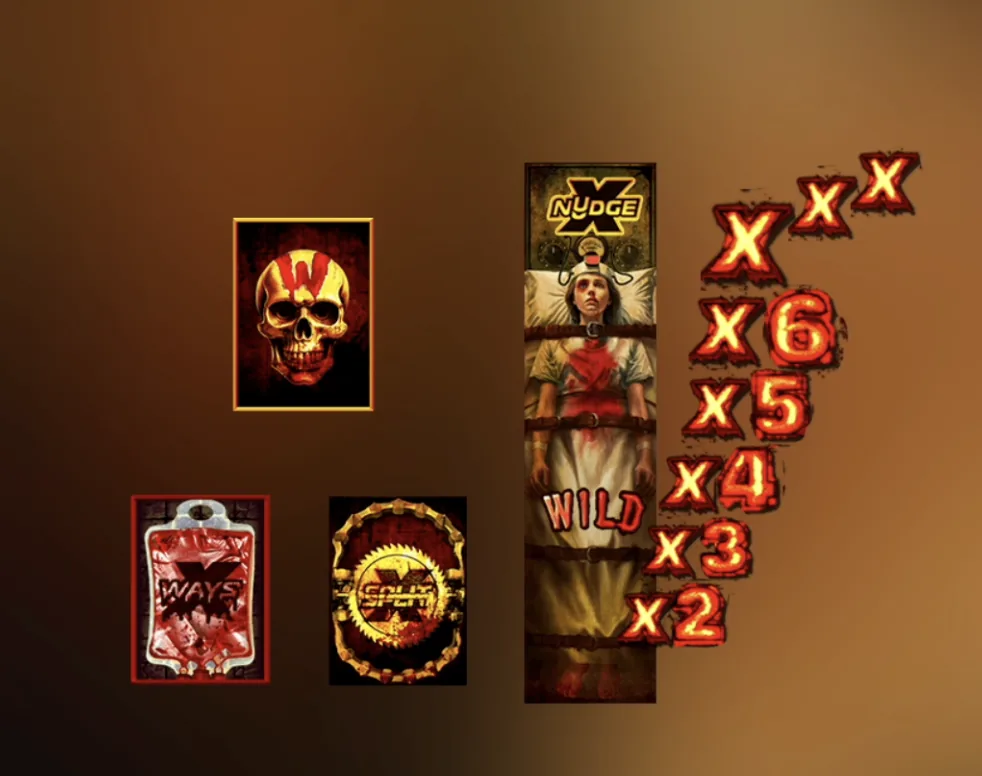
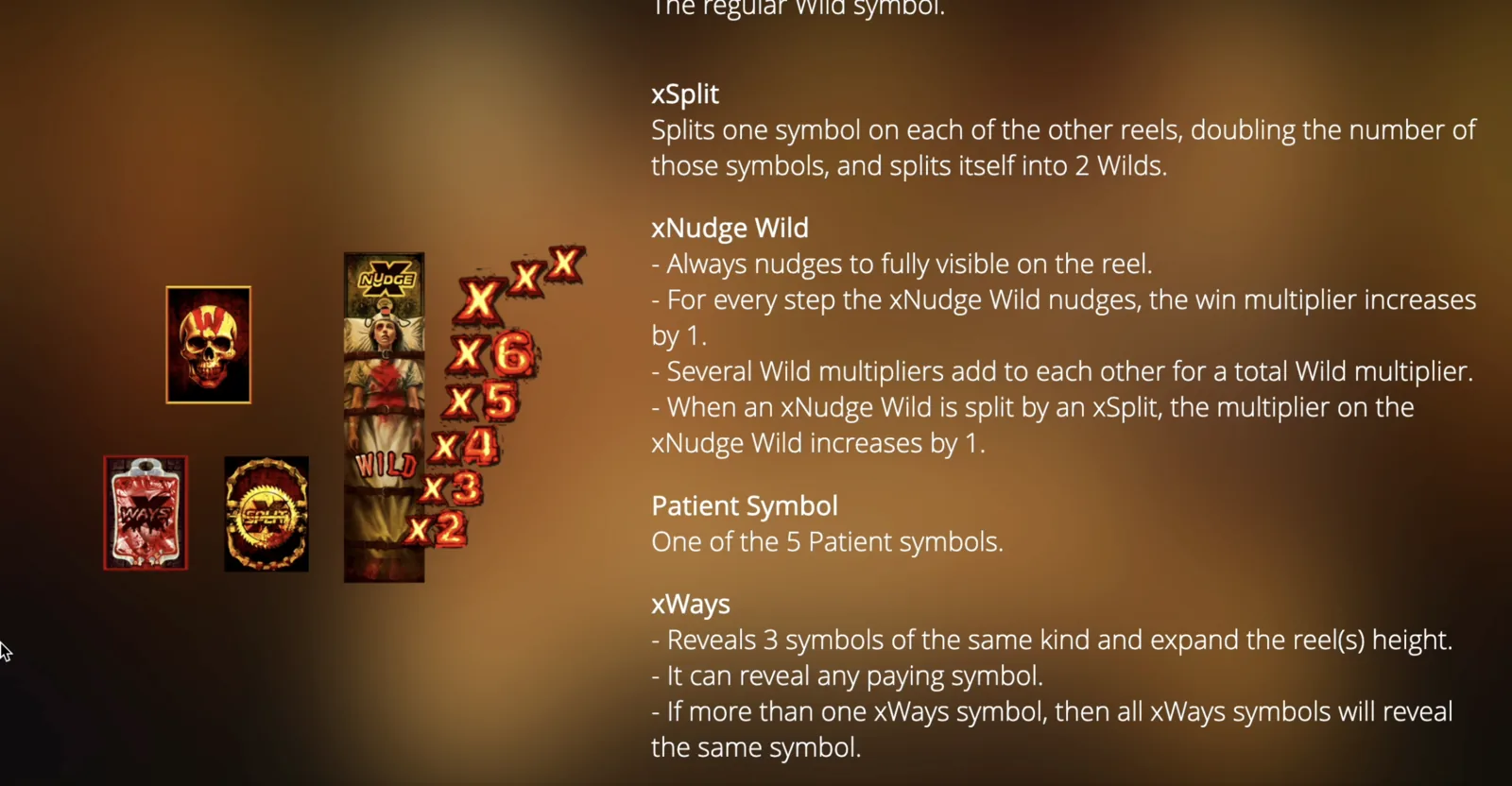
xWays can reveal stacks, xSplit can duplicate symbols, and xNudge wilds can move with increasing multipliers. If the spin upgrades to a bonus, slow down and check what mode triggered.
Use the history menu after confusing rounds. This is especially useful when Dead Patient multipliers or transformed symbols make the visual sequence faster than the payout explanation.
Paytable
| Symbol group | Role | Relative value | What to watch |
|---|---|---|---|
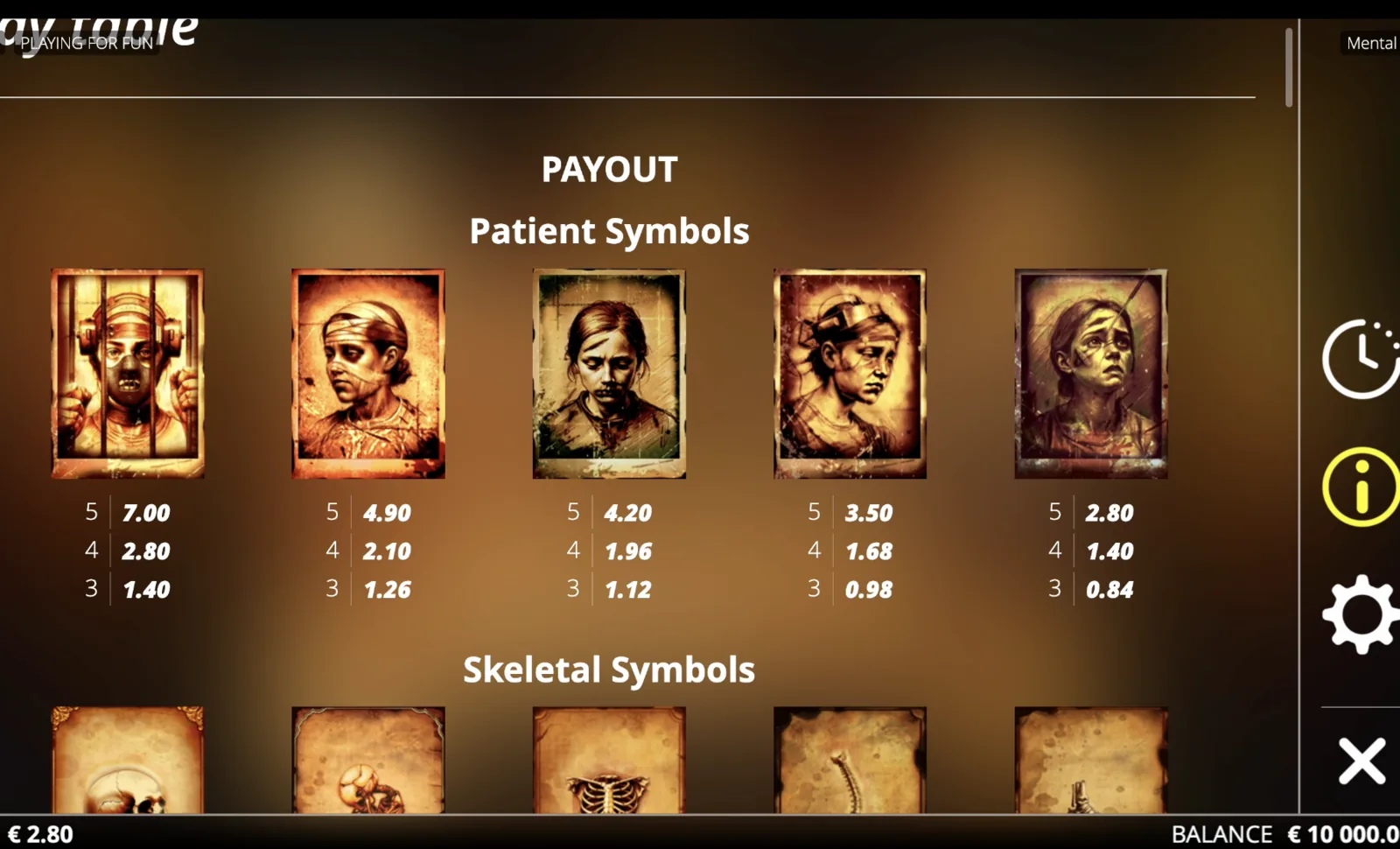
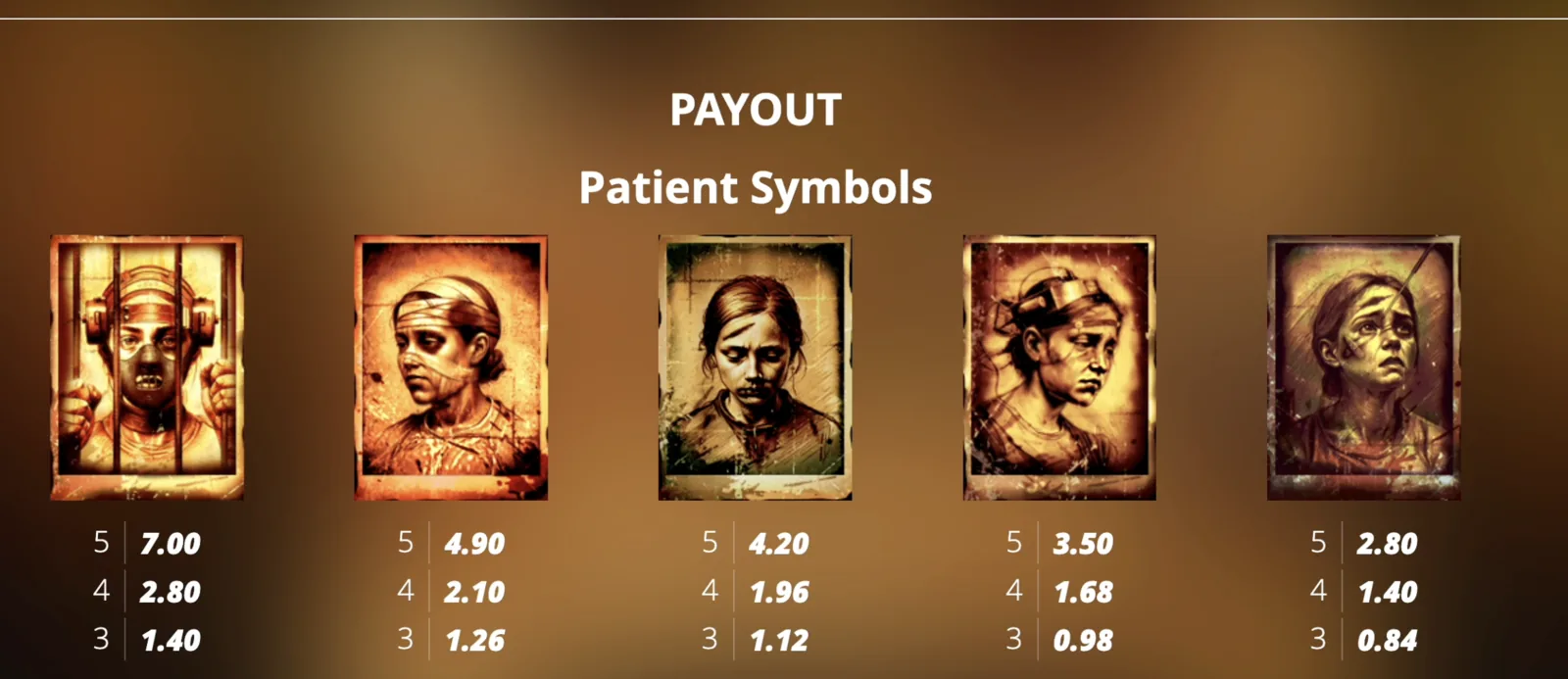
| Patient portraits | Premium symbols | Highest regular pays | Can receive Dead Patient multipliers |
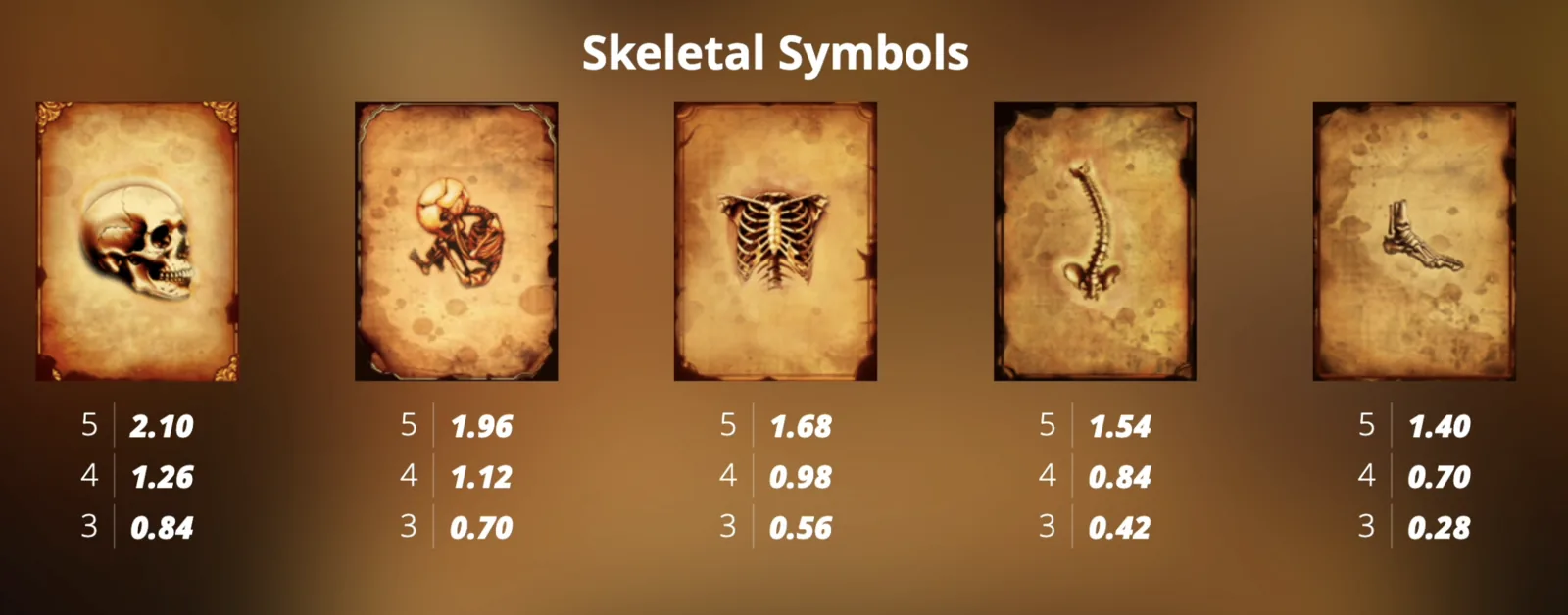
| Skeletal symbols | Lower regular symbols | Medium to low | Useful when ways expand |
| Scatters | Bonus triggers | Feature access | Combinations decide free-spin level |
| xWays | Expansion mechanic | Indirect value | Increases possible ways |
| xSplit | Symbol split mechanic | Indirect value | Can multiply symbol presence |
| xNudge | Wild nudge mechanic | Multiplier value | Can fill reels and add multiplier steps |
Probabilities are estimates based on RTP context. Exact symbol weighting is controlled by the game math model and is not published in full.
Visual rules hub
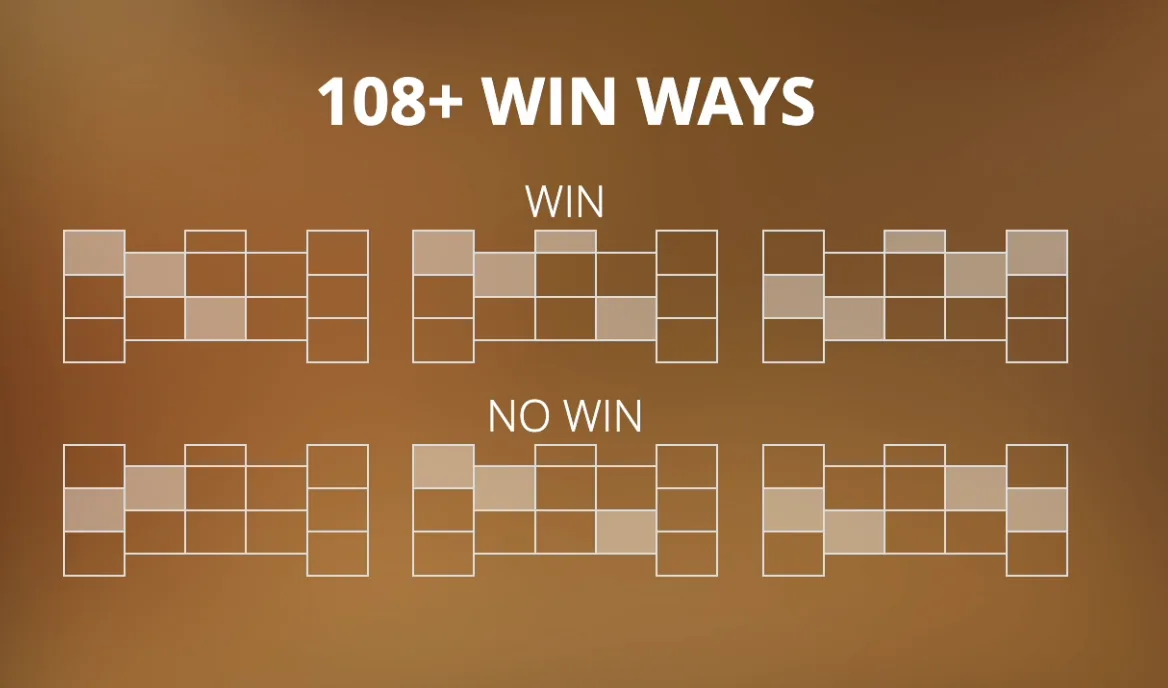
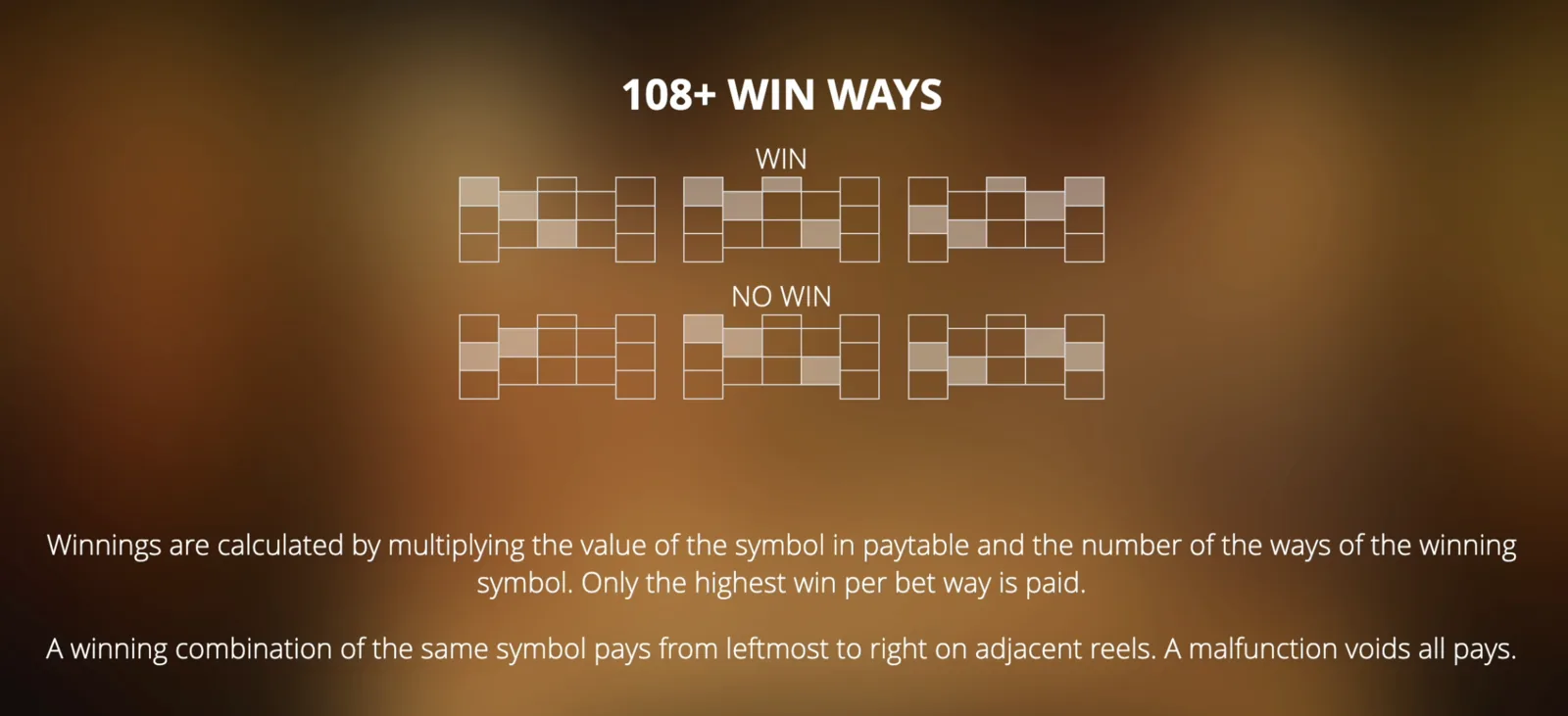
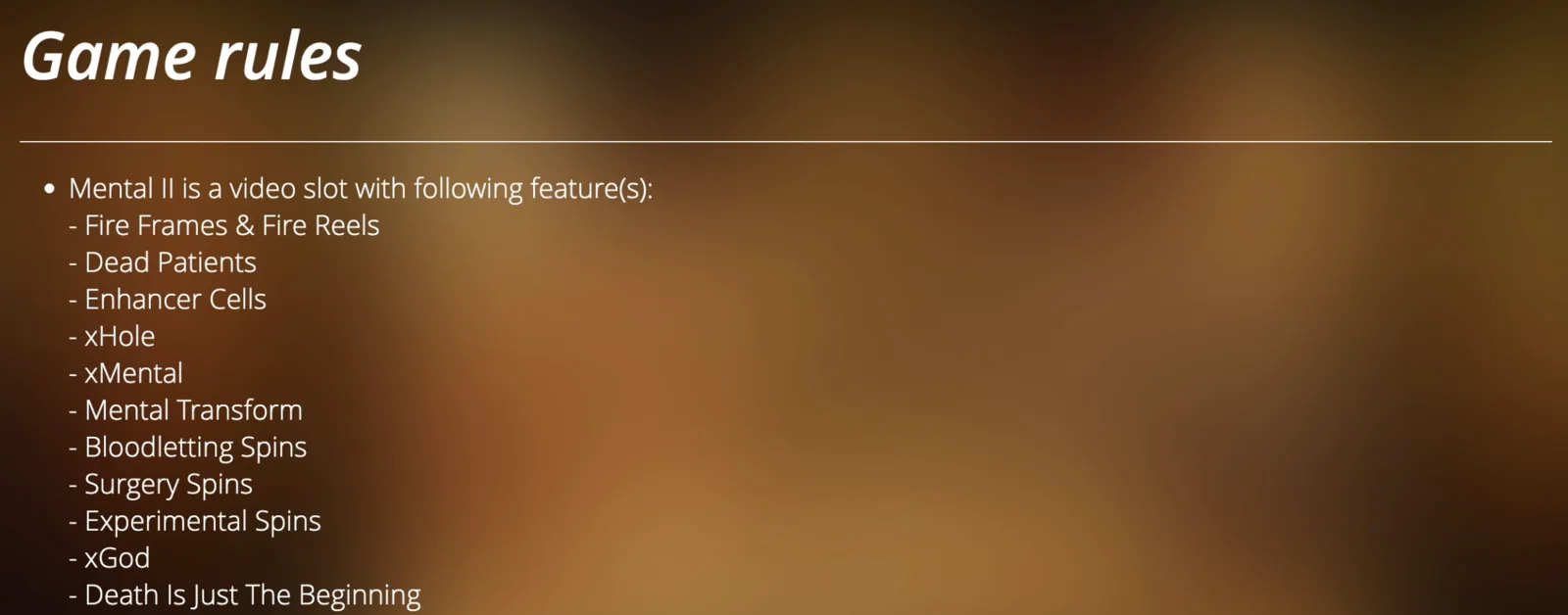
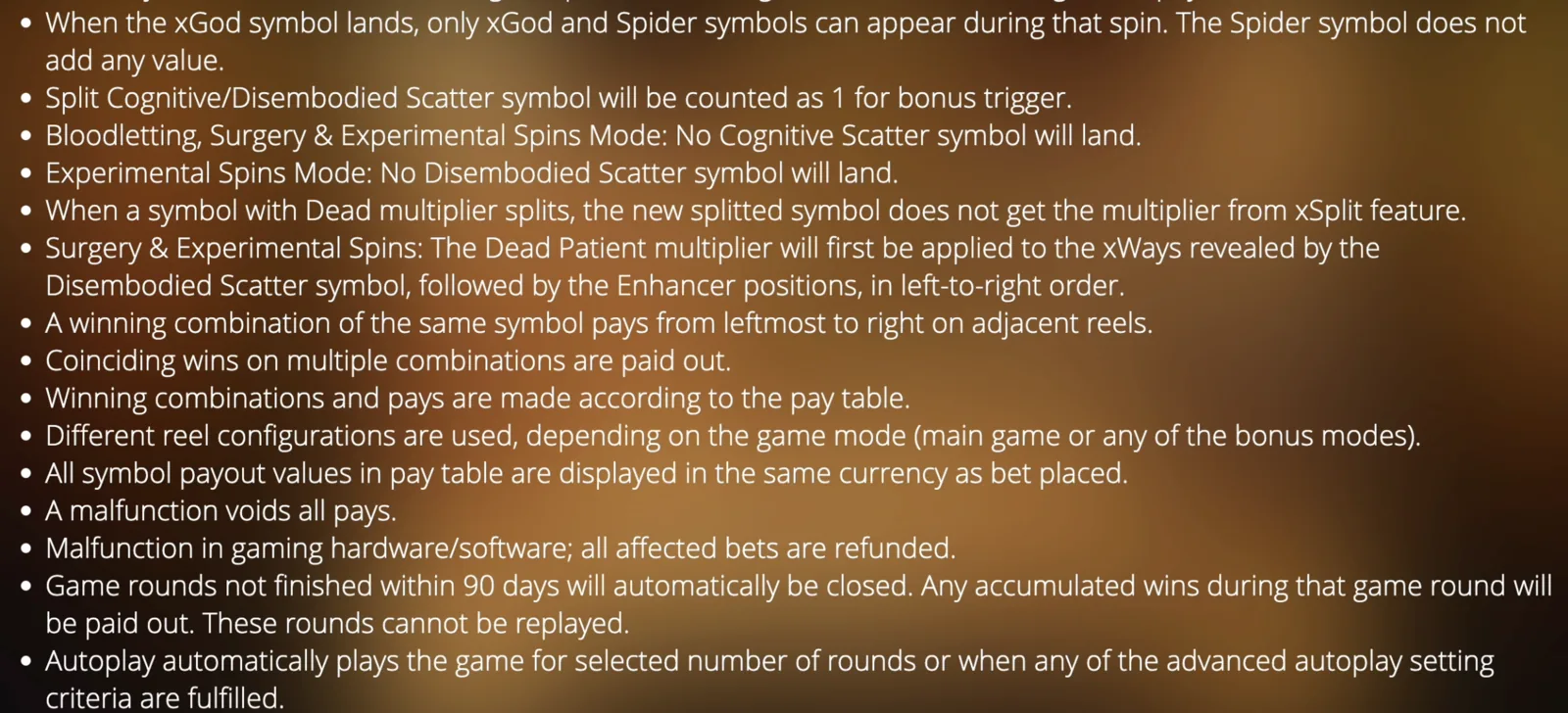
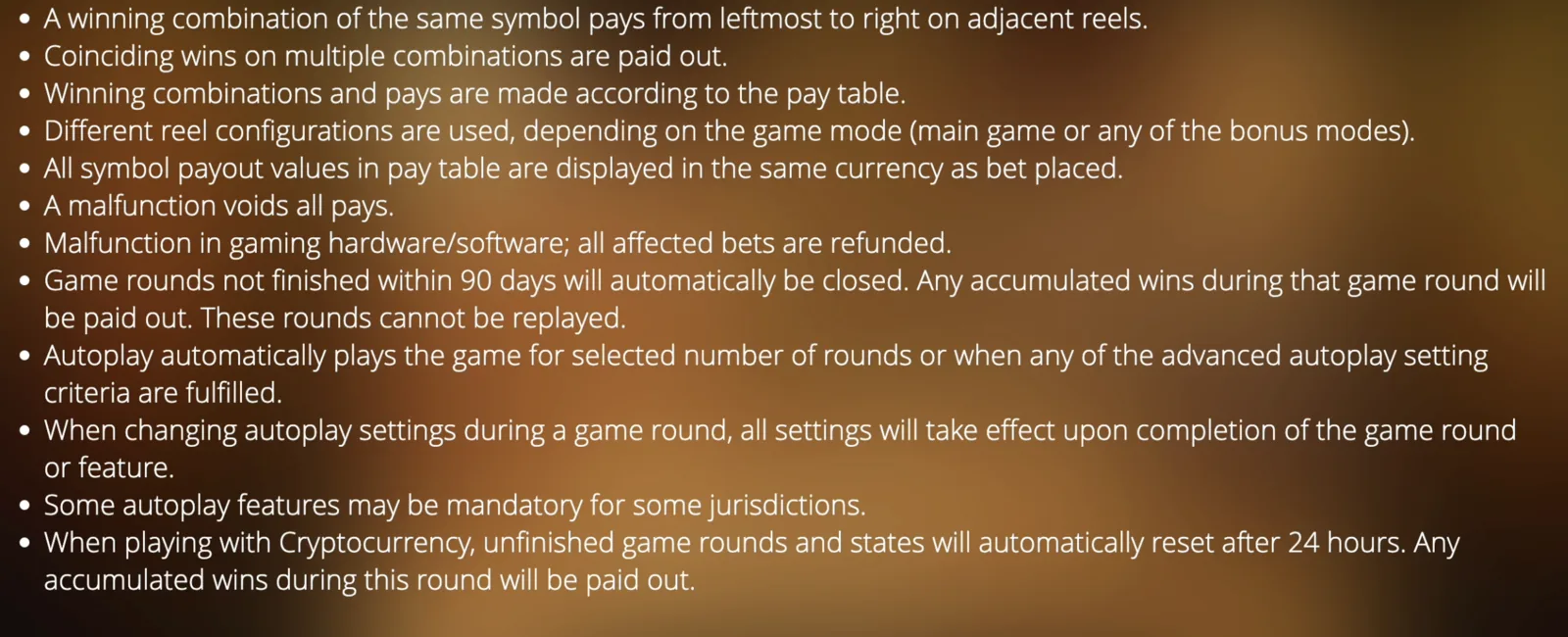
Mental II rule images turn the rule menu, 108 ways layout, payout symbols and interface screens into indexable HTML context instead of unused files in a folder.










Special features
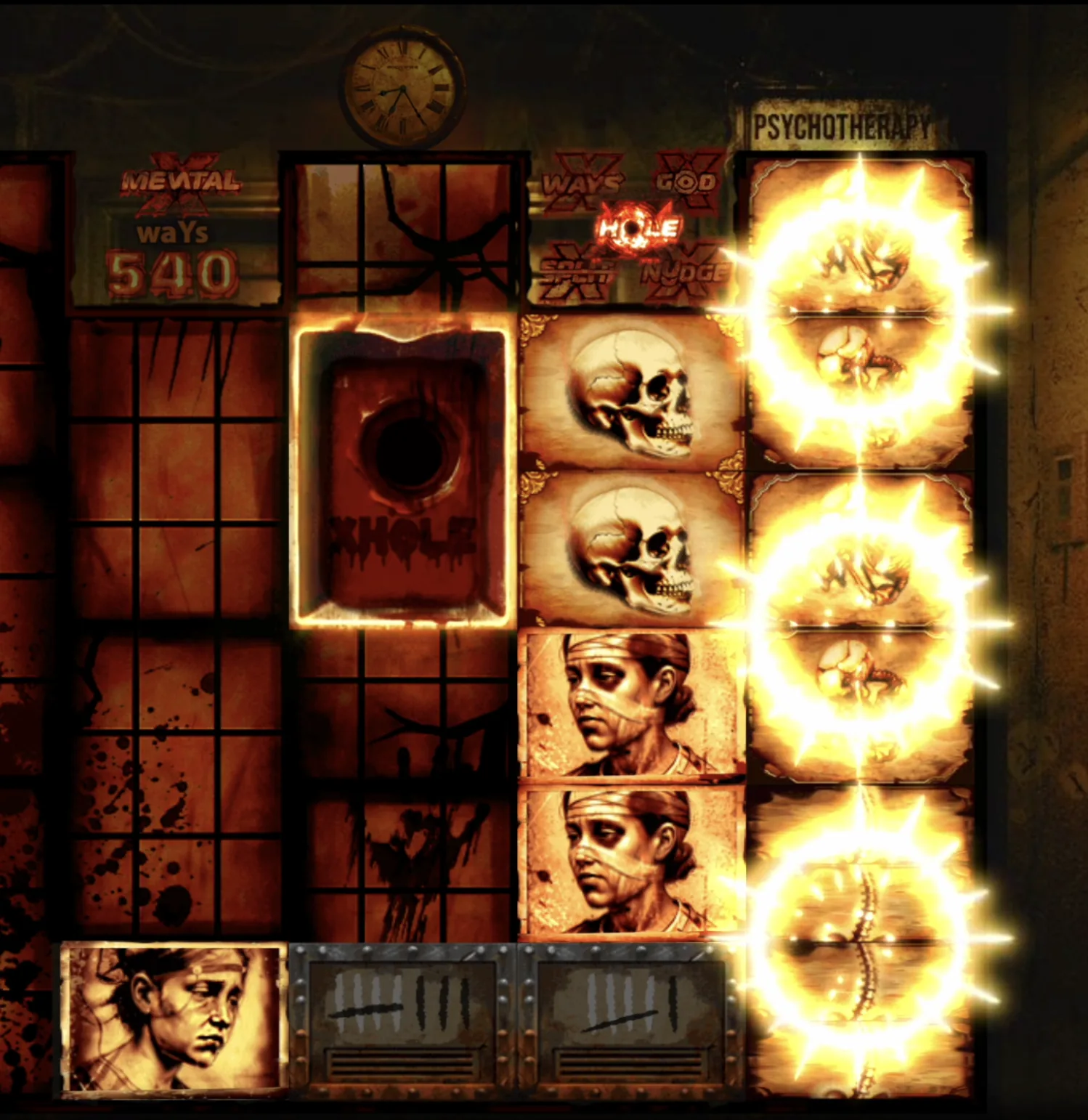
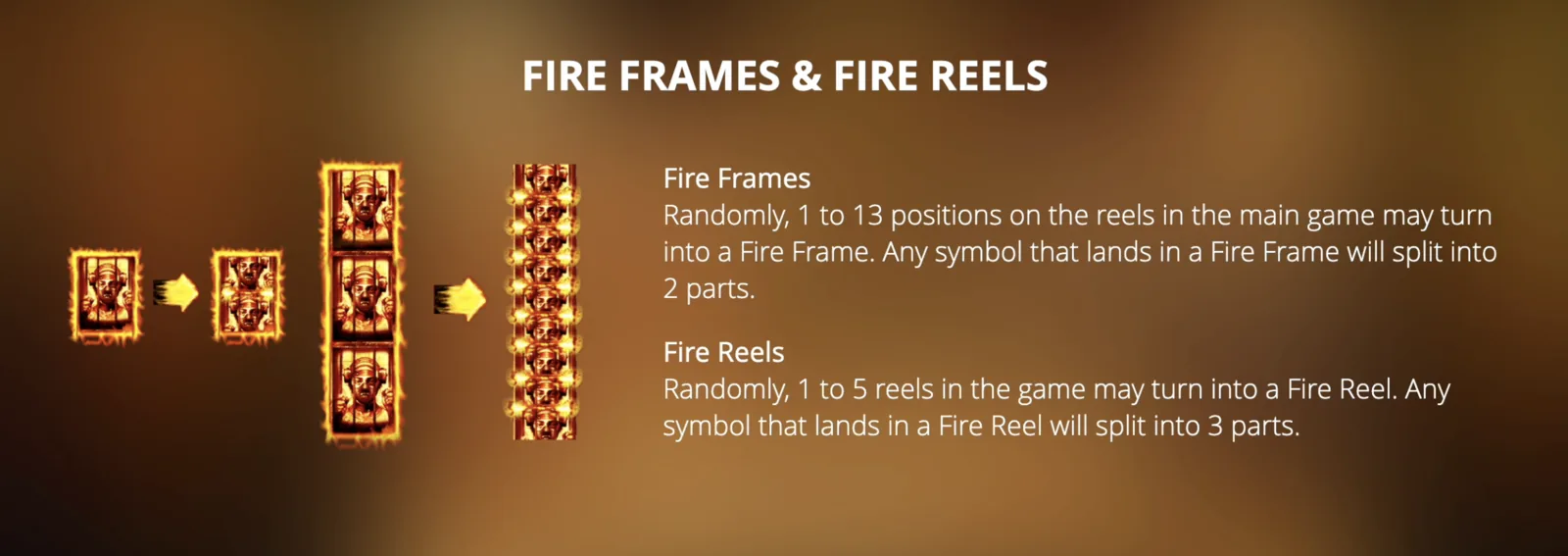
Frames can stay relevant across feature states and help create stronger symbol positions. More frames usually means more ways for enhancers to matter.
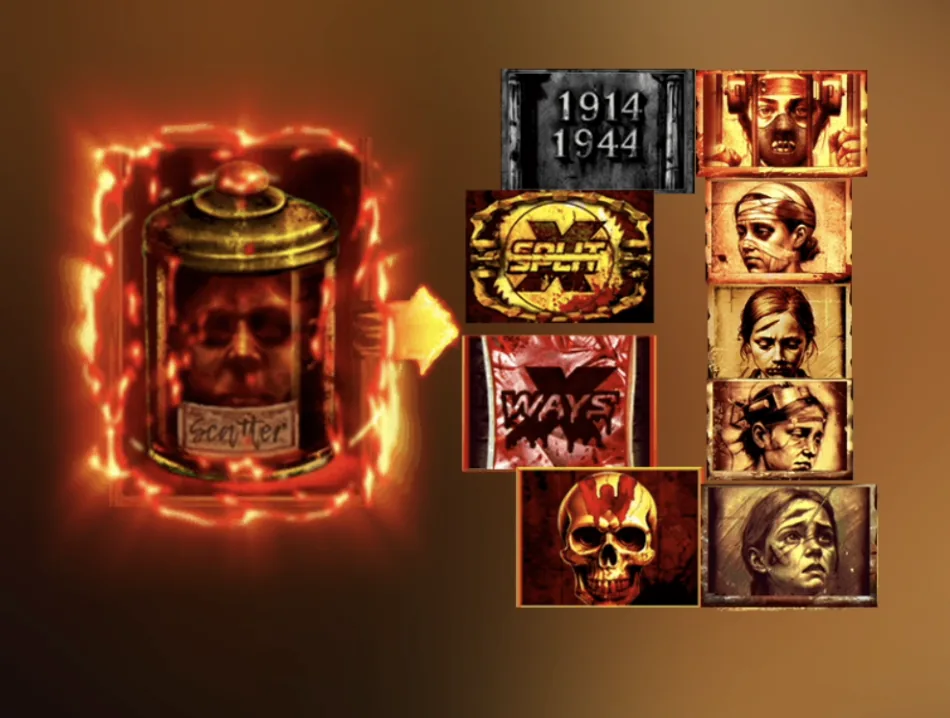
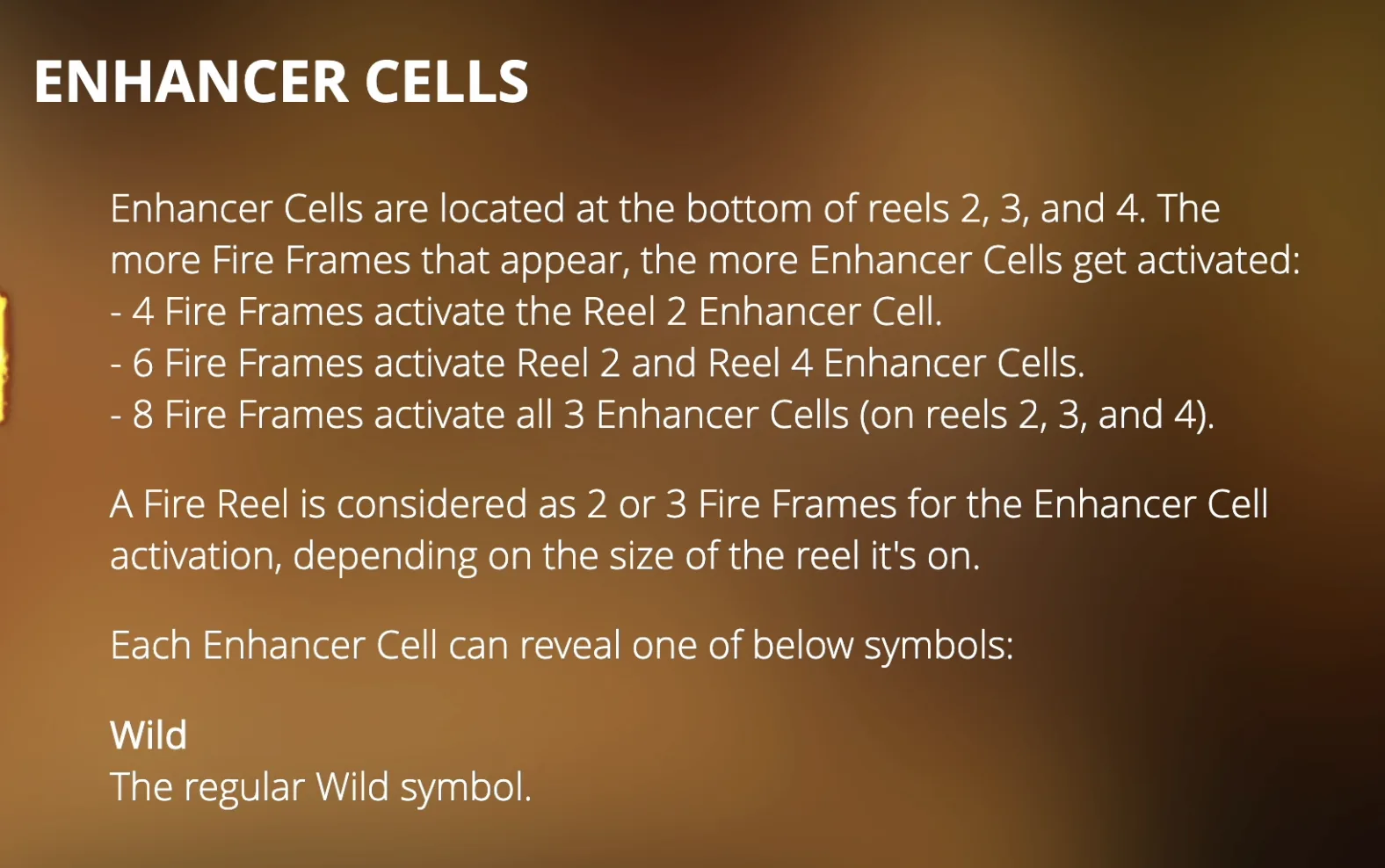
Cells below reels two, three and four reveal boosters when enough Fire Frames are active. This is the bridge between base-game visuals and larger mechanic stacks.
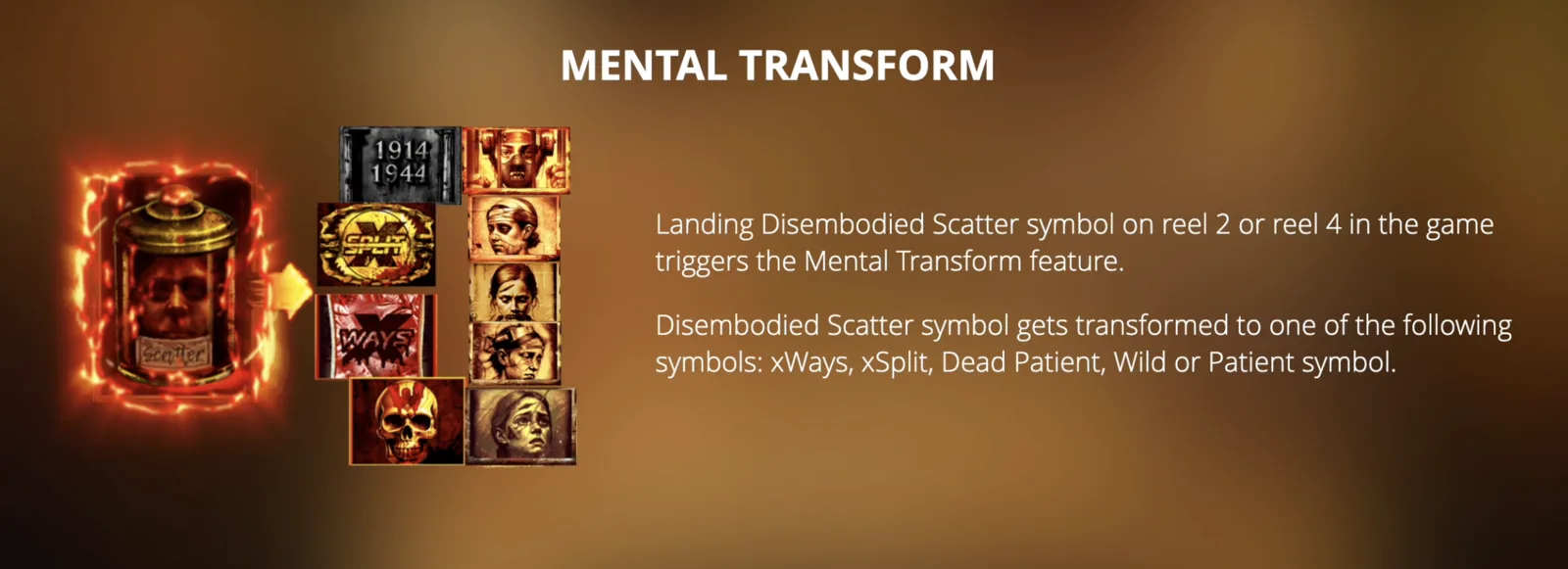
Triggered through disembodied scatter behavior, this can transform symbols and alter the direction of a round. It is powerful, but not predictable enough for a betting system.
Bloodletting, Surgery and ExperiMENTAL Spins escalate the rule set. The strongest mode keeps more pressure on the reels and exposes the player to wider variance.
Feature visuals
Feature images support the written rule explanations and create stronger image-search relevance for mechanic-specific queries.




Rulebook detail
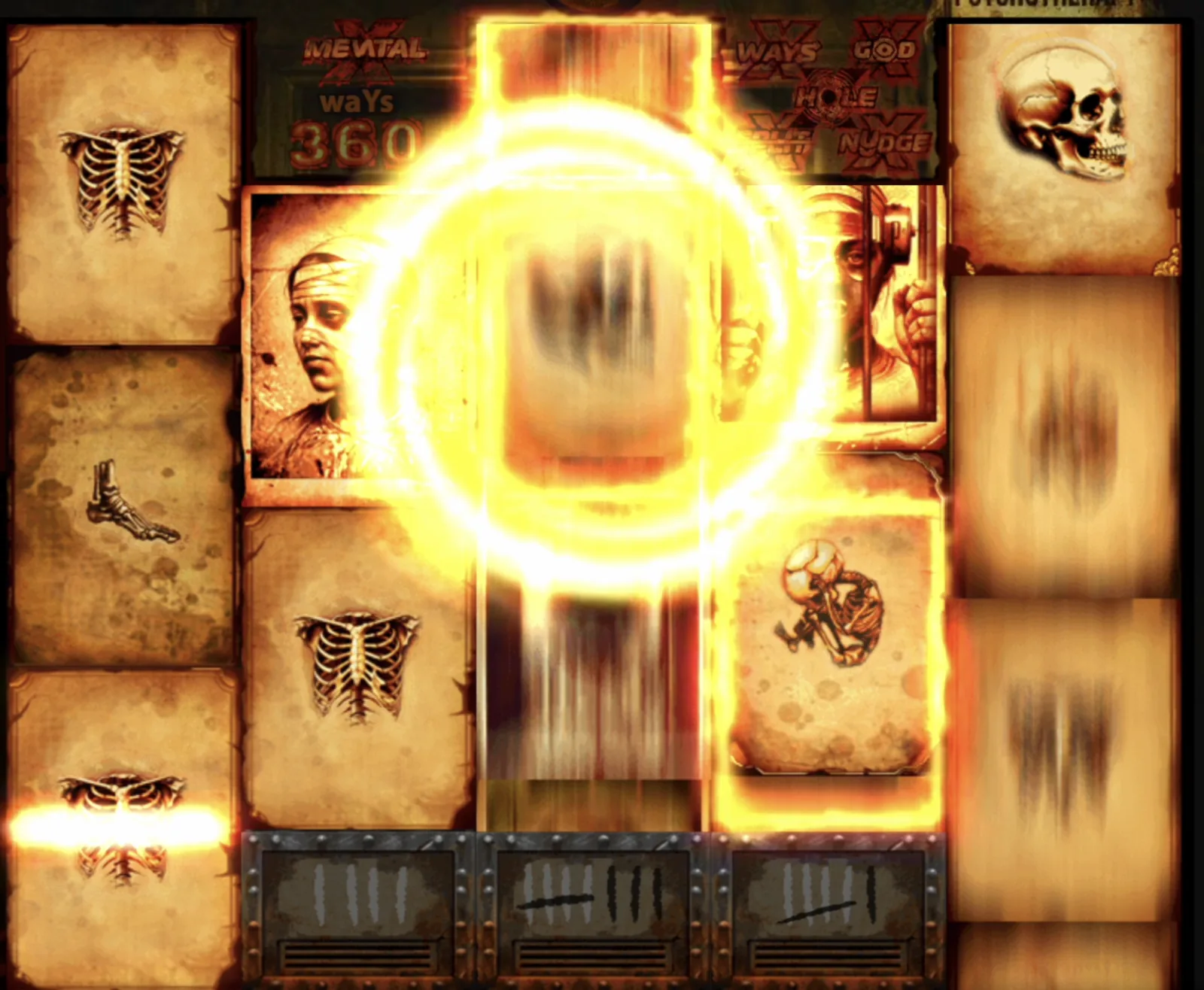
Mental II begins from a 3-2-3-2-3 reel layout, which creates 108 ways when read from left to right. A way pays when matching symbols appear on adjacent reels starting at the first reel. The game does not need fixed paylines in the old sense. The layout itself creates the possible routes. This distinction matters because players sometimes search for line settings that do not exist. The stake controls the total round cost, while the game engine decides how many symbol routes are active after modifiers appear.
Feature symbols can expand that basic structure. xWays may reveal extra positions, xSplit may increase symbol copies and xNudge wilds may move while adding multiplier value. The easiest mistake is to think a larger reel area automatically means a large win. It only increases potential combinations. The symbols still need to connect, and the final payout still depends on the math model. Read the expanded grid as opportunity, not certainty.
Patient portraits are the premium regular symbols, while skeletal and low-ranking symbols create smaller regular wins. Scatters are important because they open the bonus path, but the exact combination matters. Mental II uses several bonus levels, so a trigger is not one uniform event. The player should note which scatter type appeared, whether disembodied scatter behavior upgraded the round and which free-spin mode started. Those details explain why two bonus entries may feel very different.
Fire Frames are easier to recognize visually than to value correctly. They mark positions that can become relevant as the round develops. During bonus play, sticky behavior and enhancer interaction can make framed positions more valuable over time. The key point is that frames are part of a system. They are not a separate payout promise and they do not mean that the next spin must land a premium symbol inside them.
Enhancer Cells sit under the central reels and wake up when enough frame activity appears. They can add pressure to the middle of the screen because reels two, three and four are often where a strong connection either survives or dies. When enhancers reveal a modifier, the player should watch the final resolved result rather than the first visual flash. Mental II is built to animate changes quickly, and the payout counter is the calmest source of truth after the animation ends.
Transform features create another source of confusion. A symbol can change, split or expand in a way that looks dramatic, but a transformed symbol must still fit into a paying path. The history menu is useful after these rounds. If the result feels unclear, open the round history before paying for another spin. That single habit prevents the common pattern where a player reacts to a visual effect without understanding the actual result.
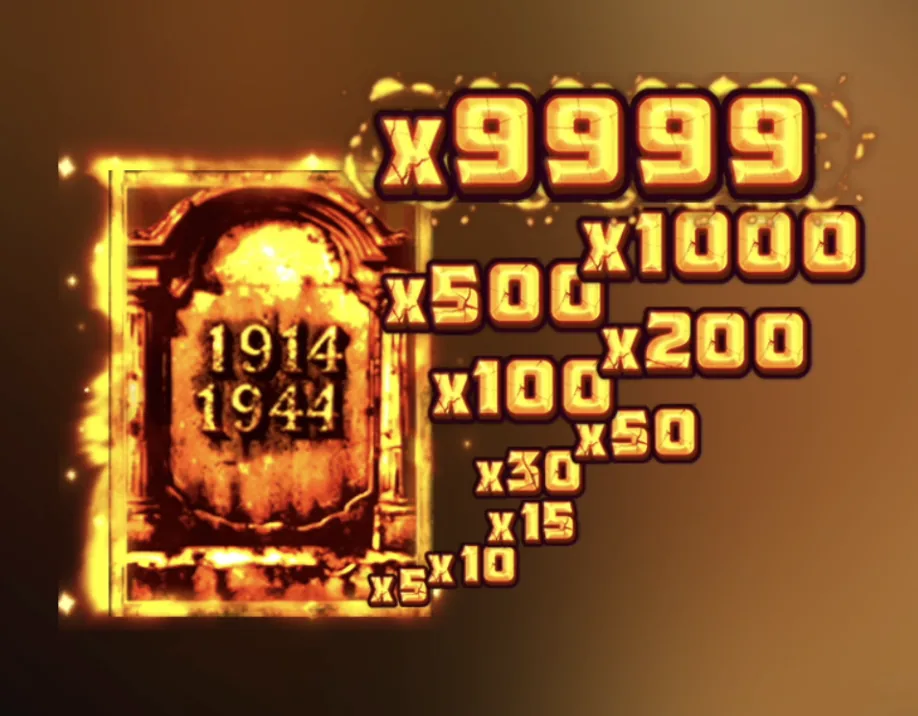
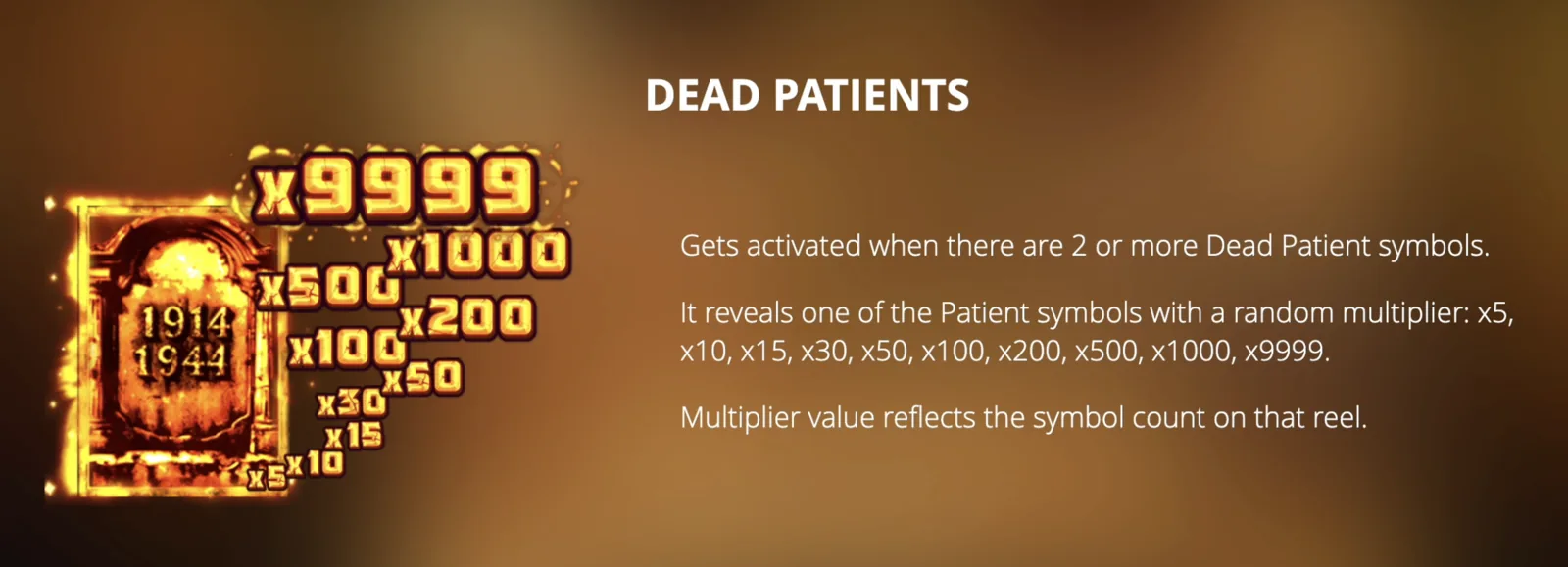
The Dead Patient mechanic is the part most likely to attract attention because the multiplier range can reach from 5x to 9999x. It is also the part most likely to create unrealistic expectations. Two or more Dead Patient symbols can trigger a random multiplier attached to a patient symbol, but the value, symbol position and active ways all matter. A high multiplier in the wrong context is not the same as a full-screen premium connection.
For responsible play, treat Dead Patient as a rare volatility event. Do not raise stakes because a smaller multiplier recently appeared. Do not assume that a near miss has changed the next spin. Mental II may display the mechanic often enough to keep attention, but meaningful combinations remain rare by design. This is exactly why the 99,999x cap is a headline, not a realistic session target.
Sound, turbo speed, rapid spin, autoplay and history controls change the experience rather than the RTP. Turning off music may reduce pressure. Slowing animations may make feature states clearer. Autoplay can be convenient but dangerous if the player has not set stop rules. Before using autoplay, confirm the number of spins, loss stop and any single-win stop that the casino client provides.
Mobile play needs extra care because the paytable, history and settings panels are smaller. Rotate the device when controls feel crowded, increase brightness only enough to read clearly and avoid playing while distracted. Mental II asks the player to notice many small changes. If the screen feels cramped or the connection stutters, stop rather than guessing through paid rounds.
A useful demo routine has three stages. First, spin at a small virtual stake and identify every control without opening the paytable. Second, open the paytable and match the written feature names to actual screen events. Third, replay confusing outcomes through history and explain the result in one sentence. When that sentence becomes clear, the rules are becoming usable.
The routine is not meant to create confidence that the game will pay. It is meant to remove interface confusion. A player who understands the rules may still lose the full session budget. The difference is that the loss comes from chosen entertainment risk, not from misunderstanding a feature-heavy game.
Testing notes
The rules page checks whether a reader can identify reels, bet, spin, settings and balance before paid play.
Confusing feature rounds are routed to the history-panel habit instead of immediate repeat spins.
The page tells players to explain a base win, a feature tease and a bonus result before depositing.
Field notes
Check balance, stake and autoplay state before every paid round. Mental II has enough movement on the screen that a player can forget the actual stake after a few minutes. If the bet was adjusted while checking settings, confirm it again before returning to the reels.
Open the paytable at the start of every new casino session. The same game name can appear under different operator settings, and the paytable is where the live RTP version and feature rules should be checked. A saved memory from another site is not enough.
Watch the leftmost connection first. Regular ways need adjacent symbols from the first reel, so a dramatic symbol on the last reel may mean nothing if the left side failed. Then watch whether modifiers change the grid before the payout resolves.
Do not interrupt a feature-heavy round with another click unless the interface clearly allows it. The game may be counting enhancers, reveals or multipliers. Wait until the win counter and history entry settle before judging the result.
Use the history panel after any round that felt unclear. Mental II is not a game where every result is obvious at a glance. A short history check can show whether a multiplier applied, which ways paid and whether a visual moment was only atmosphere.
If several confusing Mental II rounds happen in a row, stop the real-money session and return to demo. A demo return is not a skill failure. A demo return is the correct response to a dense interface because paid confusion is one of the quiet costs of complex slots.
When a bonus triggers, read the mode name before celebrating. Bloodletting, Surgery and ExperiMENTAL Spins are not identical states. The level affects expectation, feature pressure and emotional reaction. Knowing the mode helps a player avoid overvaluing weaker entries.
At the end of the bonus, compare the total return to the triggering stake or buy cost. A bonus may feel large because it lasted longer, but the financial result is the only number that matters for bankroll tracking.
Appendix
A careful player should also learn what does not need attention. Background characters, corridor flashes and blood effects create mood, but they do not change the result unless the paytable identifies a feature state. Separating mood from mechanics is one of the most useful skills in Mental II because the theme is intentionally loud.
The bet menu deserves a slow first look. Some casinos show total bet, coin value or rapid bet presets differently. Confirm the final round cost, not only the selected button. If the display uses a local currency, compare it with the session budget before starting autoplay or buying any feature.
The Mental II history panel should be treated like a receipt. The Mental II history panel records the resolved result after the animation. If a player cannot connect the history entry to the visual sequence, the next step is review, not another paid spin. The history habit is especially useful after xSplit or xNudge events.
Bonus levels should be written down during demo practice. Seeing the names repeatedly helps the player recognize whether a new trigger is ordinary or stronger than usual. Recognition lowers emotional surprise, which is important because surprise often leads to larger stakes.
Mental II exit controls should be learned before real-money play. A game session includes closing menus, stopping autoplay, muting sound, opening limits and leaving the casino lobby. Exit controls are part of the rules in practical terms because exit controls protect attention when Mental II becomes intense.
A player should also distinguish account balance from session bankroll. The casino may show the full account balance, but the written session plan may allow only part of it to be used. Keep the planned amount separate in notes so a larger visible balance does not quietly expand the session.
If the game offers turbo or rapid-spin modes, test them only in demo. Faster resolution can hide useful visual information and make losses feel less connected to decisions. For real money, clarity is worth more than speed.
A final Mental II rules check should happen after every software update or casino relaunch. Interface labels can move, and operator settings can appear in a different menu. The player should recognize the controls on the current screen, not only remember a previous version from older images.
If any rule still feels vague, open demo mode and force a pause after every feature state. The goal is to explain the result calmly before another paid decision appears.
No paid spin should start while the player is still guessing which feature just resolved.
Avoid
A loud screen does not mean the next spin is closer to a bonus. Treat every spin as a fresh paid event governed by the same RTP model.
Bonus buy compresses risk. Learn the mode in demo first, then decide whether the price fits your bankroll.
Some casinos host different RTP versions. Open the paytable inside the casino client before wagering real money.
Facts verified
These values are the factual anchor for the slot99999 topic cluster. Operator paytables can still differ, so the live casino client remains the final pre-wager check.
Primary source: official Nolimit City game listing and visible in-game/paytable data. Review timestamp: May 19, 2026.
Freshness
FAQ
Mental II starts with 108 ways from a 3-2-3-2-3 reel shape. Feature symbols can expand the layout and increase the number of active ways during a round.
Fire Frames mark reel positions that can interact with bonus features and Enhancer Cells. They are especially important in free spins because they can remain sticky and shape future spins.
When two or more Dead Patient symbols trigger, the game may attach a random multiplier from 5x up to 9999x to a patient symbol. It is rare and highly volatile.
Yes. It has Bloodletting, Surgery and ExperiMENTAL Spins levels. More scatter combinations and disembodied scatter upgrades can lead to stronger modes.
A beginner should stay near the minimum until the interface is familiar. For bankroll safety, avoid staking more than 1% of the session budget on a single spin.
No. Bonus buy is optional and expensive. It can increase feature access but also concentrates risk into fewer decisions.
Yes. Mental II is server-based and can be played through supported casino mobile browsers or apps. Use a stable connection and rotate the screen only when controls feel cramped.
slot99999 play guide update for June 23 keeps the rule walk-through tied to verifiable slot details. The how-to page should help readers check Mental II identity, RTP notes, volatility warnings, feature language, bonus-buy cost, and mobile access before they rely on an operator's marketing panel. If the casino changes lobby wording, promotion labels, or mobile access notes, the live rules screen should be treated as the source for that session.
The safer order is simple: open the free version, read the paytable, confirm extreme volatility, feature-buy exposure, and session length, and decide a fixed entertainment budget before spinning for money. Bonus offers need a separate review for wagering, max bet, eligible games, expiry, withdrawal checks, KYC timing, payment limits, and country access. Mobile access should stay with verified casino pages or official apps. slot99999 guidance is most useful when it shows the player what to verify, what can change by operator, and where the session stops if variance arrives early.