House Edge
Strategy starts by accepting the mathematical cost of long-run wagering.
 slot99999
PLAY NOW
slot99999
PLAY NOW
Risk strategy
The only honest strategy page for an extreme-volatility slot starts with the house edge. Use these tables to control session risk, not to pretend the game can be solved.
The strongest use of a strategy guide is preparation, not prediction. Read the notes before a session, choose one approach to test, and avoid mixing several systems just because the last round went badly. Most avoidable mistakes happen when players change targets too quickly, raise stakes out of frustration, or treat a short streak as proof that the game has become predictable.
Keep the plan small enough to follow when the pace gets quick. Demo rounds are useful for checking timing and comfort level, while real-money rounds should stay tied to a fixed budget, fixed stake range and clear exit point. That makes each decision easier to review later.
When you treat strategy as discipline rather than prediction, the experience becomes easier to manage. You still accept risk, but you make fewer rushed decisions, protect the bankroll better, and keep more control over the session. That is the kind of strategy that holds up after the first few rounds.
Before you play Slot 99999, use this page to slow the session down. Look first at slot bankroll planning, volatility and bonus terms. These are the parts of the game that usually make a balance move faster, so choose your stake and stop point before the first round or spin. A small plan is easier to follow than a complicated system, especially after a quick win or a frustrating loss.
A useful warm-up is simple: set a fixed spin count before using autoplay or changing bet size. Keep the same stake during the test, then write down the starting balance, ending balance and whether you stopped where you planned. That short note tells you more than a lucky result because it shows whether the plan was realistic while the game was moving.
If you play with a bonus, read the wagering rules, max bet, expiry date and withdrawal limits before changing anything. The best strategy is usually the one that keeps decisions calm: clear limits, fewer rushed clicks and no attempt to win back a result that has already happened.
Bottom line upfront
No slot99999 strategy can beat Mental II math. The only valid strategy is bankroll control: small stake, written stop-loss, optional no-buy rule and no chase after rare 99,999x marketing signals.
Strategy starts by accepting the mathematical cost of long-run wagering.
A single spin should stay small enough that variance cannot wreck the session instantly.
The slot99999 strategy page manages exposure and emotion; the slot99999 strategy page never sells prediction.
The mathematical house edge of 3.94% means the casino has a long-run advantage. The strategies below are about managing variance, session length and emotional decisions, not guaranteeing wins. Never gamble money needed for bills, debt, rent or family commitments.
Risk visuals
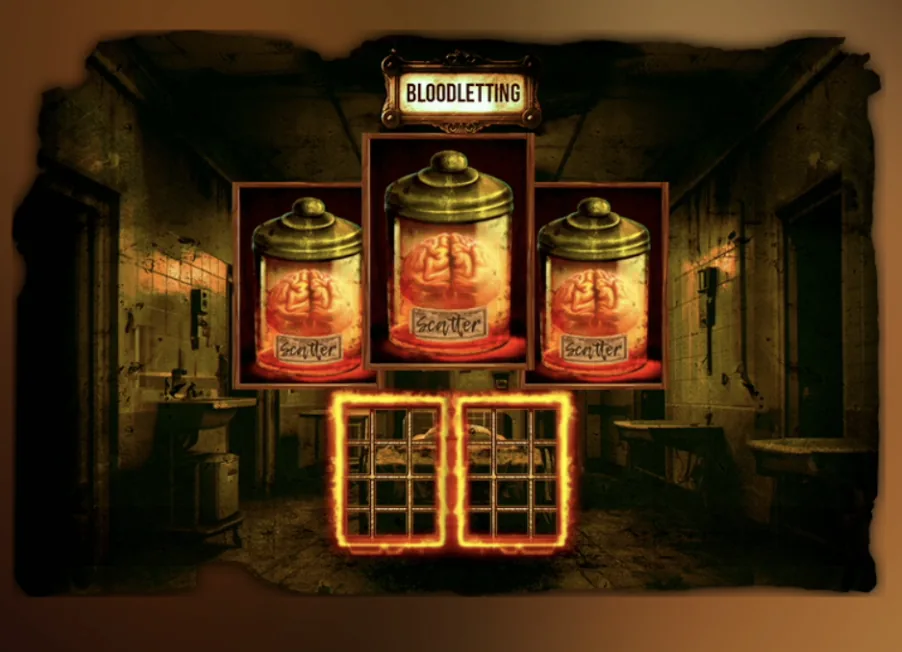
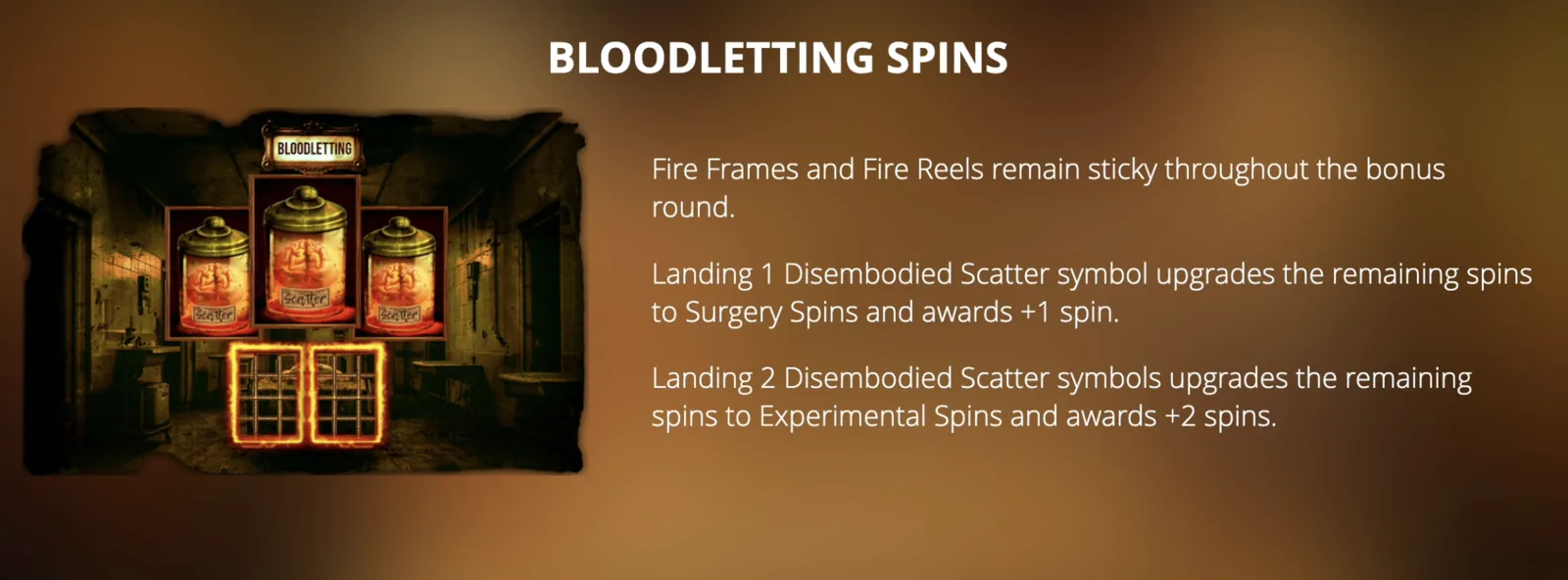
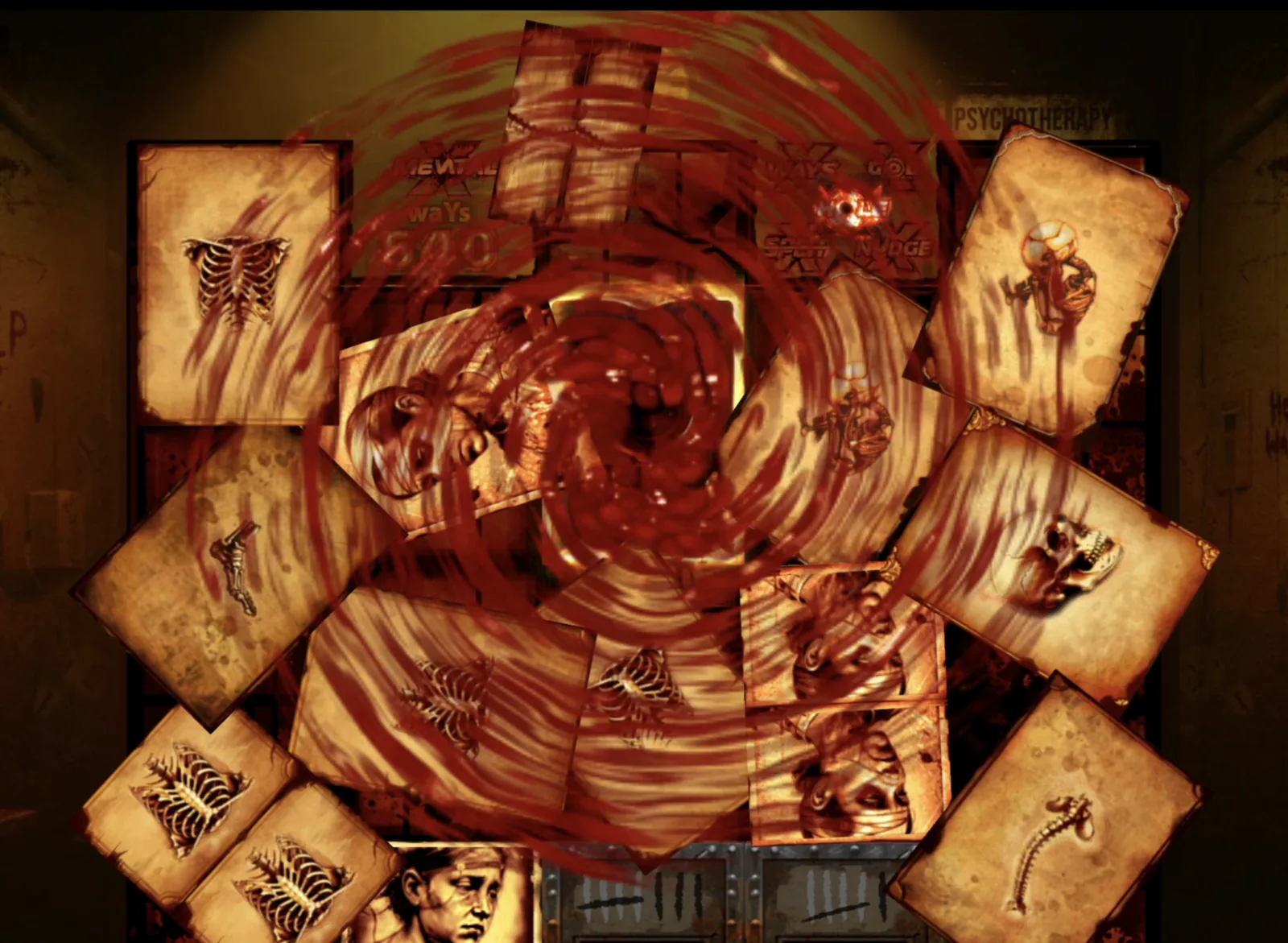
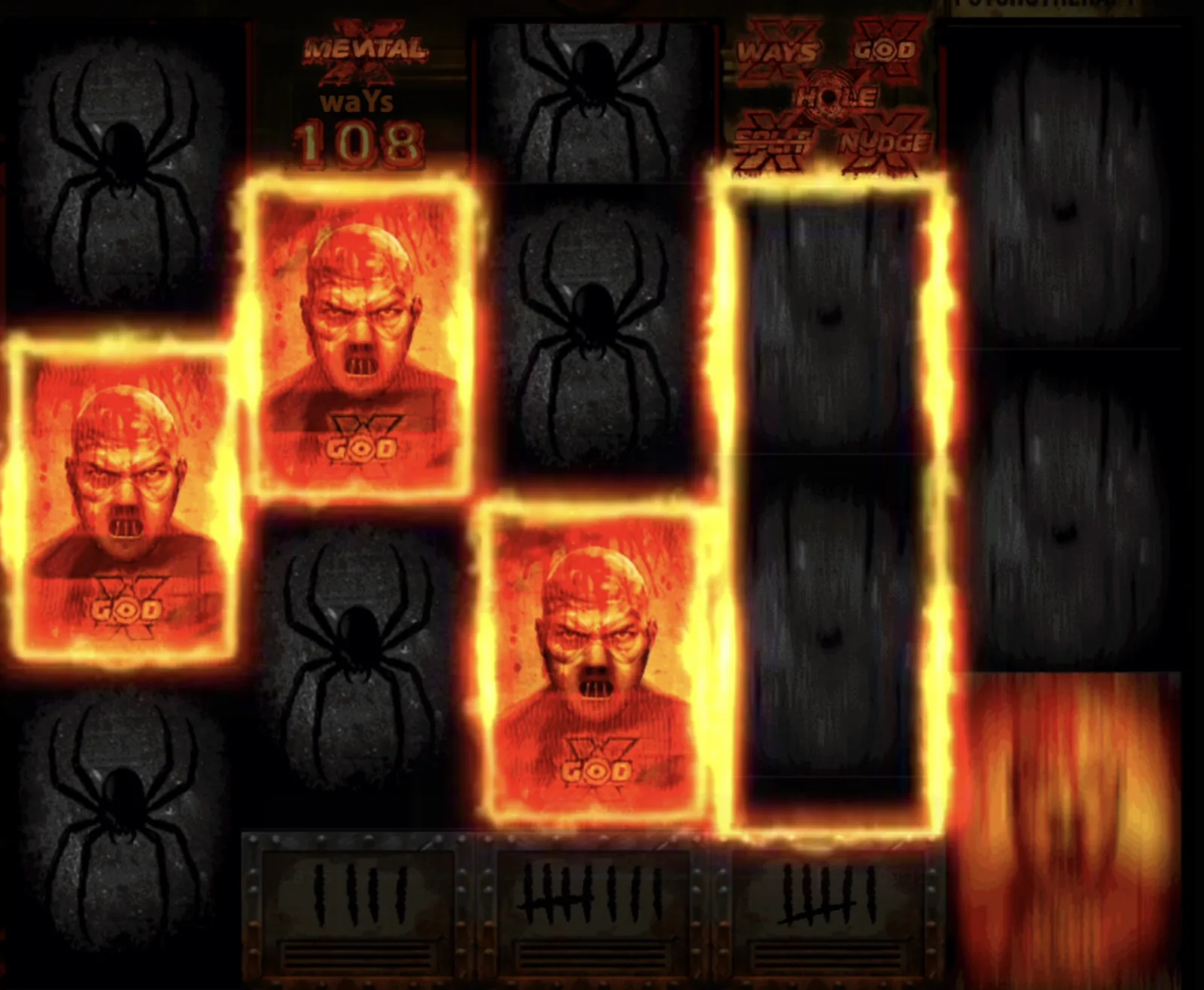
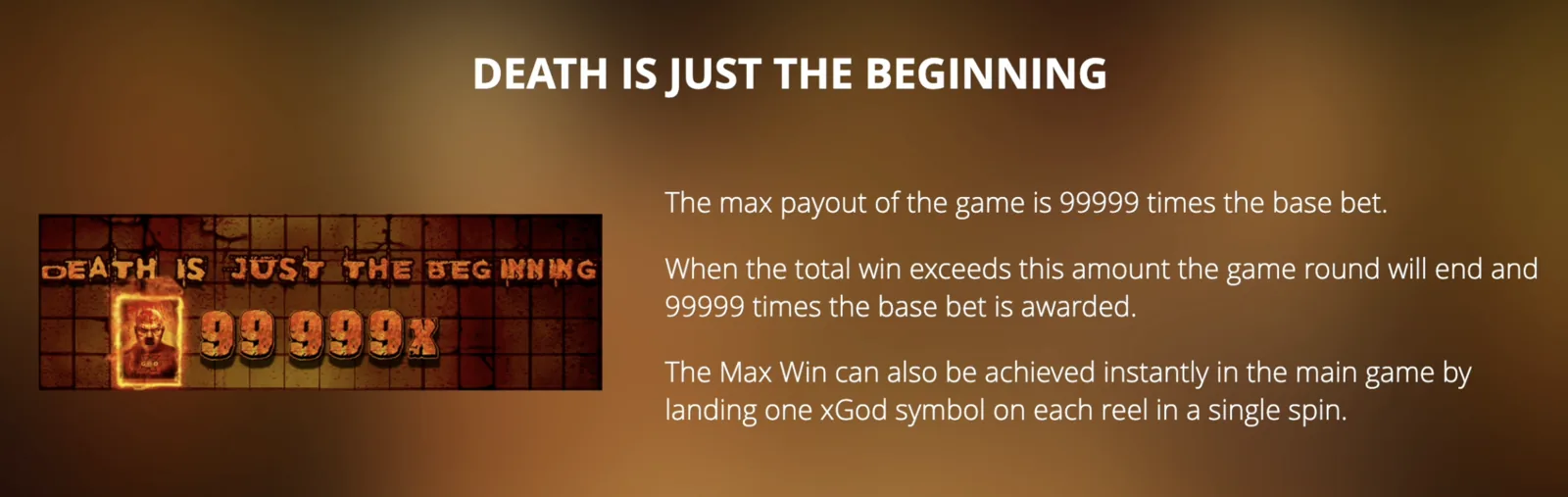
Win, max-win and feature-state images are useful when Mental II images are framed as volatility examples, not as promises.




Math first
If you wager €1,000 total on a 96.06% RTP version, the theoretical long-run return is €960.60 and the theoretical house edge is €39.40. That does not mean your session loses exactly €39.40. Mental II is built for large variance, so a short session may finish far above or far below the expectation. The RTP is a long-run measurement across huge volume, not a session promise.
Variance is why Mental II feels so unstable. The game reserves meaningful value for rare combinations of feature symbols, expanding ways and multipliers. A conservative player should respond by lowering stake size. An aggressive player should respond by accepting that the bankroll may disappear quickly. Nobody should respond by doubling after losses.
House edge = 100 - 96.06 = 3.94%
Expected loss = total wager x 0.0394
Example = €500 wagered x 0.0394 = €19.70 theoretical cost
Bankroll tables
| Profile | Bankroll | Max spin by 1% rule | Stop loss | Take profit |
|---|---|---|---|---|
| Conservative | €50 | €0.50 | €15 | €20 |
| Balanced | €100 | €1.00 | €30 | €40 |
| Aggressive | €250 | €2.50 | €75 | €100 |
Mental II bankroll rows are control limits, not profit targets. Stop-loss and take-profit rules work only when the player leaves the session at the planned trigger.
Mental II low-variance entertainment uses minimum or near-minimum stake, avoids bonus buy and sets a short session timer. The Mental II strategy goal is to observe base-game behavior, learn symbols and reduce the price of variance. The low-variance profile fits new players and anyone using Mental II as visual entertainment rather than a chase for the 99,999x max win.
Mental II practical rules keep stake under 1% of bankroll, avoid stake increases after a losing streak and pause after any large win. If Mental II feels confusing, the safer route is demo mode or the history panel. Confusion is expensive in a feature-heavy Nolimit City slot.
Mental II feature-focused play allows experienced players to choose a slightly higher stake or occasional feature buy. The Mental II cap is the important control: decide the number of paid bonus attempts before opening the cashier. If the planned attempt fails, the Mental II session ends before the next buy becomes a recovery decision.
Mental II feature-focused play suits players who understand that paid feature access can still return nothing meaningful. The feature-focused route is entertainment spending with a defined ceiling, not an investment or a value shortcut.
Mental II mechanic observation tracks Fire Frames, scatter combinations, enhancers and Dead Patient behavior because those mechanics can change the resolved game state. The Mental II observation goal is recognition rather than prediction. Better Mental II recognition reduces impulsive decisions when a horror animation looks more important than the final payout.
Myth busting
Doubling after losses fails because table limits, bankroll limits and long losing sequences arrive before the theoretical recovery.
A sequence of empty spins does not create a debt. The game state does not owe the next paid spin a bonus.
Raising the stake does not improve RTP. It only changes the financial size of each outcome.
Strategy framework
The strongest Mental II strategy starts outside the game window. Choose a session bankroll that can be lost without changing the rest of the day. Then divide it into many small spins. The 1% ceiling is useful because it slows the damage of empty rounds and gives the player enough volume to observe the slot. At a €100 bankroll, that means €1 or less per spin. At a €50 bankroll, it means €0.50 or less. Higher stakes make the same math feel more urgent, not more favorable.
Do not confuse a larger bankroll with protection. A large budget can still disappear when variance is concentrated. The point of sizing is to make each decision small enough that the next spin does not feel like a rescue attempt. When a single result begins to matter emotionally, the stake is too high for that session.
A session script is a short rule set written before play. Example: forty minutes, €60 bankroll, €0.60 maximum spin, stop at €30 loss, stop at €35 profit, no bonus buy. The exact numbers are personal, but the structure is not. Time, stake, loss point, win point and feature-buy policy should all be known before the first round. This prevents improvisation after the slot has already created pressure.
The script also helps after a win. Many players only think about stop-loss limits and forget that profit can vanish just as quickly. A take-profit point is not a prediction that the game has turned cold. It is a way to leave while the session has done what entertainment spending was supposed to do: create a memorable moment without expanding into a chase.
Feature buy should never be treated as a shortcut to value. It is a price paid for direct access to a volatile round. That price may be many times the base stake, and the result can still return little. A disciplined policy sets a fixed number of attempts, or bans the option entirely. The policy should also consider wagering rules if bonus funds are active, because feature buy may be restricted, excluded or capped by the casino terms.
If a player chooses to buy a feature, the cost should be counted before the click. For example, two paid attempts at €20 each are not two spins; they are a €40 session segment. If that amount feels uncomfortable, the decision is already too large. Mental II is designed to make feature access feel tempting. The answer is not willpower in the moment, but a rule written before the offer appears.
Tracking does not predict the next outcome, but it can reveal player behavior. Record session start, bankroll, stake, feature buy decisions, stop points and ending balance. Add one note about emotional state. The useful pattern is not whether the game is hot or cold. The useful pattern is whether the player raises stakes after losses, ignores time limits, re-deposits after a stop point or buys features after frustration.
The Mental II session record makes strategy honest. If the same mistake repeats, the issue is not the math sheet; the issue is the session design. Lower stakes, shorter sessions and demo-only days may solve more than a new betting pattern ever could. slot99999 presents strategy as player management because player behavior is the only part the player controls.
Mental II can produce long dry stretches, sudden medium wins and rare heavy spikes. None of those events creates debt in the machine. Random outcomes do not balance themselves inside a single player session. The next spin is still a paid event with the same underlying RTP version. The most useful response to variance is not prediction; it is stake discipline and a willingness to leave.
When the session feels personal, pause. The game has no memory of the rent, the previous deposit or the last near miss. That statement sounds cold because the math is cold. A good strategy keeps the human side warm by protecting time, money and attention from a system that is built to keep spinning.
Testing notes
The strategy page keeps 96.06% RTP and 3.94% house edge visible before any bankroll table.
Advice is written around stake ceilings, stop-loss, take-profit and no-chase rules, not hidden prediction claims.
The content asks whether the player followed the plan, not whether variance felt fair.
Field notes
A Mental II stake ladder should move down more readily than the stake ladder moves up. For example, after a meaningful win, a player may cut the stake in half to protect the session. After a loss streak, the Mental II stake should not rise. Lowering stake after pressure feels counterintuitive only because chasing losses is emotionally loud.
The ladder should be written in currency, not in vague units. A rule like “stay small” is too soft. A rule like “maximum €0.60 until the session ends” is clear enough to follow when the game becomes intense.
Use automatic pauses after three events: a large win, a feature buy loss and the first urge to deposit again. Each pause should last long enough to leave the game screen, check the written session plan and decide whether the next click still matches it.
A Mental II pause is not a prediction that the next spin is bad. A pause gives the human brain a moment outside the sound design, red lighting and near-miss rhythm. Mental II is built to hold attention, so Mental II strategy needs deliberate breaks.
Write down losses in plain terms. “Lost €40 chasing a bonus after the stop point” teaches more than “bad luck.” The first version identifies a decision that can change. The second version turns the entire session into fate and leaves the player with no useful adjustment.
Appendix
A strategy note should be short enough to read during a break. Put the stake ceiling, stop loss and feature-buy rule on one line. If the rule set needs a long explanation, it may be too complicated for live play. Mental II already supplies enough complexity inside the reels.
Players who enjoy tracking numbers can record total wager rather than only deposits. Total wager shows how much action the bankroll has been exposed to. A €50 deposit spun many times can create hundreds in turnover, which makes the house edge easier to understand.
A losing session should not be reviewed immediately while the result still stings. Wait until the next day, then look at whether the plan was followed. The useful question is not whether variance was fair. The useful question is whether the player protected the boundary.
The most disciplined strategy may be a no-play decision. If the budget is tight, the mood is poor or the slot feels too stimulating, skipping the session is a valid outcome. Strategy includes choosing when not to open the game.
Bankroll rules should be reviewed after wins as well as losses. A large win can tempt a player to raise the stake because the session feels funded by profit. The written plan should still decide the next spin. Profit protection is part of strategy, not a separate celebration rule.
If a strategy needs secrecy from family, friends or a partner, the problem is no longer mathematical. A gambling plan should be explainable without shame. Secrecy is a signal to reduce play or stop entirely.
A strong strategy also protects sleep. Late sessions often stretch because fatigue weakens limits. Choose a hard closing time before opening the game.
Record that closing time beside the bankroll rule so the session has two independent stop signals.
Field notes
Mental II is a severe high-variance slot, but that does not make strategy hopeless. It makes boundaries more important and, in a strange way, easier to define. The 96.06% RTP, 3.94% house edge, 108 ways base, Fire Frames, Enhancer Cells, feature modifiers, bonus buys, and 99,999x cap all point to a game that should be sampled deliberately rather than rushed. A player who writes the stake ceiling, feature-buy rule, stop loss, and closing time before opening slot99999 has already improved the most controllable part of the session: behaviour.
The optimistic route is to use Mental II's intensity as a reason to slow down. Demo play can teach symbol pressure and feature rhythm without cost. Real-money play can stay small, timed, and feature-capped, with pauses after large wins, feature-buy losses, or the first urge to redeposit. The slot's math stays negative, but a well-built session plan can keep the experience readable, finite, and honest.
Mechanic map
Mental II mechanics build pressure through a 108 ways base, Fire Frames, Fire Reels, Enhancer Cells, xWays, xSplit, xNudge, xHole, xMental, xGod and Dead Patient multipliers. The mechanic map gives readers a clear route through the feature chain: Mental II starts with symbol routes, adds feature modifiers, and finishes with high-variance outcomes that can reach the 99,999x provider cap.
Facts verified
These values are the factual anchor for the slot99999 topic cluster. Operator paytables can still differ, so the live casino client remains the final pre-wager check.
Primary source: official Nolimit City game listing and visible in-game/paytable data. Review timestamp: May 19, 2026.
Freshness
FAQ
No. The 96.06% RTP implies a 3.94% house edge over time. Strategy can only manage exposure, not reverse the math.
The 1% rule is a practical ceiling: no single spin should exceed 1% of the money reserved for that session.
No. They are rare volatility events. Chasing them usually means raising stakes after losses, which is exactly the behavior to avoid.
Bonus buy is a feature-access decision, not a strategy. It can be entertaining, but it concentrates variance into fewer expensive rounds.
No. That is gambler’s fallacy. Previous non-bonus spins do not make the next paid spin mathematically owed to trigger.